
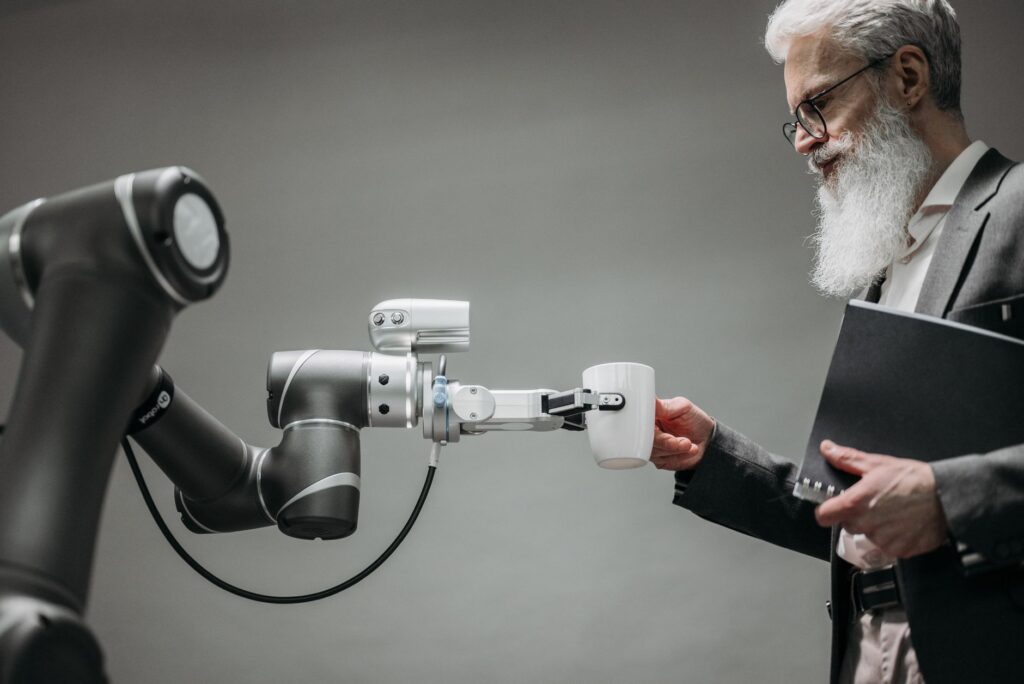
Artificial intelligence (AI) is taking off everywhere, and honestly, it’s got a lot of people talking, and maybe even a little worried. You see the headlines about jobs disappearing as machines get smarter and take over tasks we thought only humans could do. But here’s the thing: while AI is definitely changing the job market, it’s not a story of everyone losing their jobs. It’s more about a shift. Some jobs will get a boost from AI, and others, well, they’re just naturally tough for machines to handle. This piece is meant to clear up some of the confusion about what’s happening with jobs, zeroing in on the specific jobs that AI will not replace and why human skills are still so valuable. We’ll look at why, even with all the cool AI stuff, human judgment, creativity, emotional smarts, and our ability to adapt are still super important, helping you build a career that’ll stick around.
Why AI Cannot Fully Replace Humans in Every Role
AI is fantastic at jobs that are the same every time, involve tons of data, and follow straightforward rules. Machine learning can crunch massive amounts of information, spot patterns, and do things way faster and more accurately than we can. That’s why AI is a game-changer for things like digging into data, predicting trends, and handling basic customer questions. But AI hits a wall when a job needs real emotional understanding, dealing with tricky ethical questions, coming up with something truly new, or handling totally unexpected situations. AI runs on data and code; it doesn’t have feelings or personal experiences. Sure, it can mimic empathy based on what it’s learned, but it can’t actually *feel* or *get* human emotions. And making ethical choices? That often means weighing different values, understanding the whole picture, and making a call that’s more than just following a script. Creativity, too, isn’t just mixing things up; it often comes from a deep personal history, cultural awareness, and an inner drive to express yourself. These are the core things AI just can’t copy yet, and they’re why certain jobs are pretty safe from being completely automated.
AI-Proof Professions in Healthcare and Mental Health
Healthcare, especially mental health, is a perfect example of where human connection is absolutely everything. Jobs like therapists, psychologists, nurses, and family doctors are naturally protected from being fully taken over by AI. AI can definitely help healthcare by finding diseases faster, creating personalized treatment plans based on patient data, and handling paperwork more efficiently. But it can’t replace the heart of patient care. Being genuinely empathetic, offering comfort, and building a trusting relationship with someone are things AI just can’t do. A nurse’s gentle hand, a doctor’s reassuring voice, or a therapist’s ability to truly listen and grasp how a patient is feeling – these are skills deeply tied to human experience and emotional intelligence. Social workers and counselors also rely on connecting with people on a deep personal level, navigating complicated social issues and offering support that goes way beyond numbers. These jobs are built on human interaction, compassion, and making tough ethical calls, making them incredibly secure from AI replacement.
Creative Careers Safe from Artificial Intelligence
Creativity, which some thought AI might easily take over with its generating tools, is actually pretty resilient when it comes to truly original and impactful work. Think artists, musicians, writers, filmmakers, and designers – these professions aren’t as vulnerable as you might think. AI can churn out content, creating art, writing, or music based on existing styles and data, but it lacks that spark of genuine human creativity. This creativity isn’t just about being new; it’s about pouring lived experiences, cultural context, personal intention, and a unique point of view into a piece. A human artist’s inspiration might come from a personal tragedy, a societal observation, or an abstract feeling – things AI, without consciousness, can’t experience. Likewise, a writer’s skill in crafting a story with deep emotional impact, exploring complex themes, or creating truly unique characters comes from their human understanding of the world and people. AI tools can be super helpful, letting creatives explore ideas faster or handle tedious tasks, but the core of originality, storytelling depth, and artistic intent remains distinctly human. Roles like UX designers, who need to deeply understand human behavior and emotional responses to build user-friendly experiences, and creative directors, who set the overall vision and emotional feel for projects, also require a level of human insight and cultural understanding that AI can’t yet authentically provide.
Human Jobs in the Age of AI: Education and Mentorship
Education and mentorship are fields where the human touch isn’t just nice to have; it’s absolutely necessary. Teachers, professors, coaches, and mentors are much more than just people who deliver information; they’re motivators, inspirers, and guides. Good teaching involves way more than just reciting facts. It means understanding and adapting to each student’s learning style, emotional needs, and individual struggles. A great teacher can spot a student’s hidden talents, offer encouragement when things get tough, and ignite a passion for learning that goes beyond the textbook. Mentorship, specifically, is about building relationships, sharing wisdom gained from personal experience, and helping people reach their personal and professional goals. While AI can power fancy learning platforms, offer personalized practice, and even give automated feedback, it can’t replicate the human connection, emotional support, and profound impact a dedicated teacher or mentor can have on a student’s journey. These roles are future-proof because they are fundamentally about developing people and nurturing potential, which requires empathy, patience, and a deep understanding of the human mind.
Leadership, Ethics, and Roles Requiring Human Judgment
At the top of organizational and societal structures are roles that are inherently human, needing a level of judgment, strategic thinking, and ethical reasoning that AI can’t genuinely offer. Executive leadership, management positions, policy-making, judges, and ethicists all fit into this category. Strategic vision in business requires not just looking at data, but also understanding what people are feeling, what motivates them, and being able to inspire and unite teams toward a common, often abstract, objective. Building a company culture is a delicate dance that involves building trust, boosting morale, and fostering shared values – tasks that need emotional intelligence and personal connection. In the legal and ethical spheres, decisions are rarely simple. Judges and ethicists have to deal with complex moral quandaries, consider how their rulings will affect society, and apply principles of fairness that often involve subjective interpretation and deep thought about what’s just. Ultimately, accountability and trust in high-stakes decisions, especially those with major societal consequences, must fall on humans who can be held responsible. AI can offer data and analysis to help these decisions, but the final call and the significant act of judgment are unequivocally human.
Trades and Hands-On Future-Proof Careers
While we often talk about office jobs, the skilled trades are a huge and often overlooked part of future-proof careers. Electricians, plumbers, carpenters, and HVAC technicians, for instance, are in high demand and are incredibly hard to fully automate. These jobs need a blend of physical skill, real-world problem-solving, and the ability to adapt in unpredictable settings. A plumber working in a tight crawl space, an electrician figuring out a problem in an old building’s complicated wiring, or an HVAC technician troubleshooting a system in bad weather all require instant assessment and hands-on work that current AI and robots struggle to do cost-effectively or with the necessary precision. Being able to handle new situations, improvise when faced with unexpected issues, and apply practical, hands-on skills makes these jobs very secure. Plus, the growing need for infrastructure upkeep and upgrades, along with an aging workforce, means there’s steady demand and great earning potential in these vital trades, making them undeniably future-proof careers.
Social, Community, and Advocacy Roles AI Will Not Replace
Jobs focused on human connection, building communities, and advocating for causes are built on trust, cultural awareness, personal experience, and strong moral beliefs – things AI fundamentally lacks. Roles like community organizers, nonprofit leaders, clergy, mediators, and human rights advocates are deeply woven into the fabric of society and rely on genuine relationships to be effective. A community organizer’s ability to get people involved comes from understanding local dynamics and their skill in creating a shared sense of purpose. Nonprofit leaders need to inspire donors and volunteers with a shared vision and proven impact, which requires real human passion and persuasive speaking. Clergy offer spiritual guidance and community support through personal connection and empathy. Mediators help resolve conflicts by understanding and navigating complex human emotions and past interactions. Human rights advocates champion causes based on a deep moral commitment and the ability to connect with and represent the experiences of those they serve. The success of these roles depends on authentic human presence, genuine relationships, and a shared understanding of human values and experiences, making them naturally resistant to AI automation.
How to Future-Proof Your Own Career
No matter what you do now, there are things you can do to make sure your career stays strong in a world with more automation. The trick is to develop and use the skills that AI just can’t copy. First off, focus on your “soft skills.” These include things like empathy, really listening, critical thinking, solving complicated problems, and communicating well. These abilities are key for dealing with people, understanding tricky situations, and working together. Second, make learning a habit. The way we work is always changing, and staying curious and committed to learning new things – especially stuff that works *with* AI, not against it – will be super valuable. Think about how AI tools can make you more productive or open up new paths in your field. For example, checking out the potential of AI in digital marketing might lead to new career chances. Third, figure out what’s uniquely human about your job and lean into it. Think about the parts of your work that need emotional intelligence, creativity, ethical judgment, or hands-on adaptability. Actively look for or create opportunities to use these strengths. A quick self-check can help: Where do you naturally shine because of your people skills? What problems do you enjoy solving that need creative or out-of-the-box thinking? Where do you feel your empathy makes a real difference? By knowing your AI-resistant strengths, you can strategically set yourself up for success. The point isn’t to be scared of AI, but to understand its limits and use its power to boost your own human abilities, creating a partnership that drives innovation and personal growth.
Conclusion
AI’s rise is definitely a big change for jobs worldwide, but it’s not the end of human employment. Instead, it’s a powerful push to rethink what human skills are really worth. As we’ve seen, jobs that need real empathy, deep creativity, complex ethical judgment, intricate physical skills, and genuine human connection are safe. AI is an amazing tool meant to make humans better, not to completely take over. The professions that rely on these distinctly human qualities – from healthcare and education to the arts, leadership, and skilled trades – aren’t just safe from being fully automated; they’re set for continued growth and importance. By focusing on building and improving these irreplaceable skills, and by embracing AI as a partner instead of a rival, people can look forward to the future of work with confidence. The way forward is about adapting, learning constantly, and celebrating what makes us uniquely human. Investing in these capabilities is the best way to build a career that’s not just future-proof, but also deeply fulfilling and impactful in the age of artificial intelligence.
FAQs
I’m an SEO specialist with 7+ years of experience in search engine optimization, digital marketing, content strategy, and AI-powered marketing. I share practical insights on AI tools, SEO, automation, content marketing, and emerging technologies to help businesses and marketers improve their online presence and stay ahead of the latest digital trends.