
What is a Pineberry?
Pineberries are a white strawberry cultivar with distinctive red seeds (achenes) and a unique flavor profile that includes notes of pineapple. These berries are a hybrid cross between Fragaria chiloensis (Chilean strawberry) and Fragaria virginiana (Virginia strawberry). Despite their name suggesting a cross between pineapple and strawberry, pineberries are actually a type of strawberry with a different color and flavor profile.
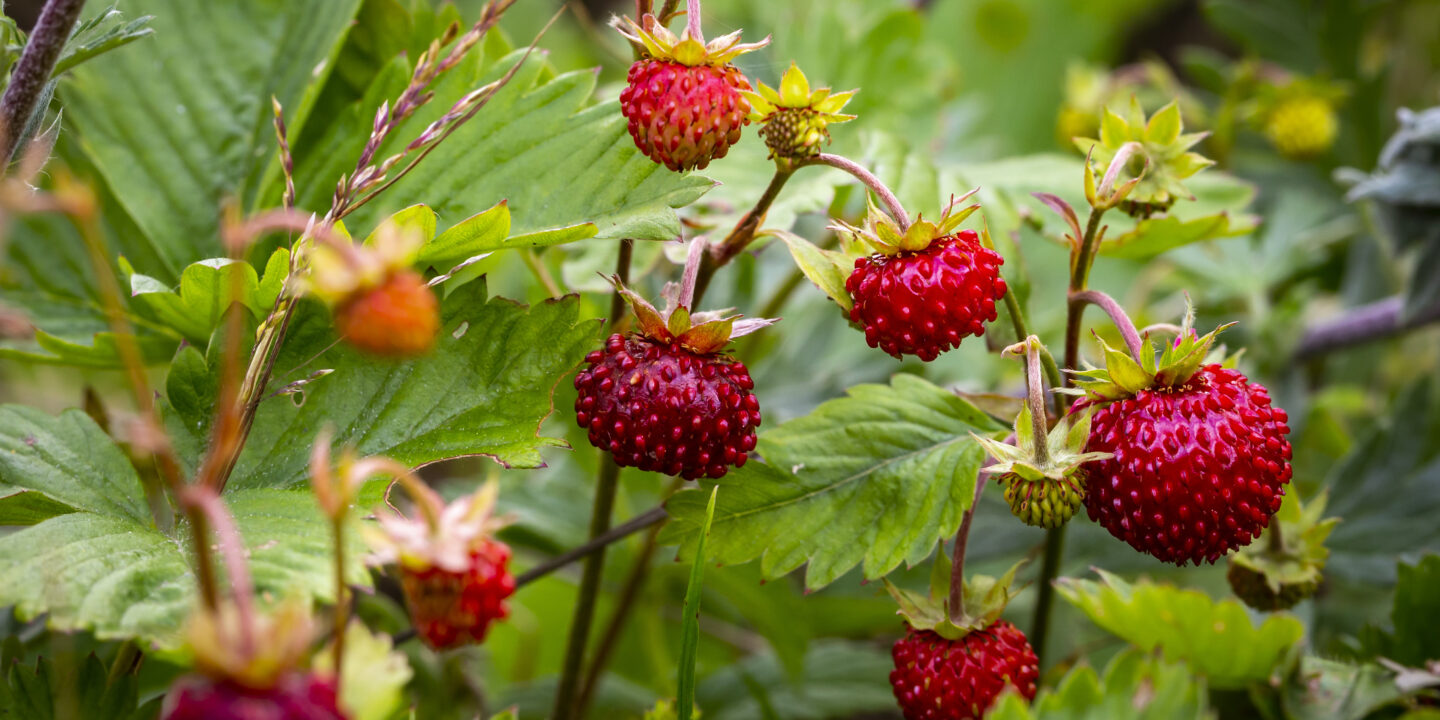
Physically, pineberries are smaller than common strawberries, measuring between 15 and 23 mm (5⁄8 and 7⁄8 in) in diameter. They feature a predominantly white or creamy-colored exterior that sometimes develops a light pink blush when exposed to sunlight. The interior flesh maintains a creamy white color. Their most striking visual characteristic is the contrast between the white flesh and bright red seeds, which is opposite to the traditional red strawberry with yellow seeds.
Originally discovered in South America, pineberries have a rich history. Native white strawberries were cultivated by indigenous populations in the Chilean Andes mountains more than 1000 years ago before being brought to Spain by colonizers in the 16th and 17th centuries. These Chilean white strawberries became the mother of all modern red strawberries. The modern commercial pineberry was developed through natural breeding techniques, not genetic modification. One notable variety, Pink-A-Boo® Pineberries, was created at the University of Florida by crossing a Japanese white strawberry with a Florida red strawberry.
The unique white coloration occurs because pineberries lack anthocyanin, the flavonoid compound that gives red strawberries their color. Regarding taste, pineberries offer a strawberry flavor with subtle essences of pineapple, pear, and apricot. They typically have lower acidity than traditional red strawberries, which creates a delicate finish that leaves the palate refreshed.
Unlike regular strawberries, pineberries cannot be grown from seeds as they are hybrids. Instead, they must be propagated from whole plants or runners. Pineberry plants are classified botanically as Fragaria x ananassa ‘Pineberry’ and are winter hardy in USDA zones 5-8.
How to Grow Pineberries Step-by-Step
Growing pineberries follows specific steps similar to standard strawberry cultivation, yet with several important differences. Understanding these requirements ensures successful harvests of these unique white berries.
1. Choose the right pineberry variety
Several pineberry varieties exist, including White Pine, White Carolina, White D, Natural Albino, and White Albino. White D pineberries, developed in Sweden, offer exceptional aroma with mild pineapple flavor. Consider varieties suited to your climate zone, as pineberries generally thrive in USDA hardiness zones 4-8.
2. Pick a sunny, well-drained location
Pineberries require at least 6 hours of direct sunlight daily. These plants perform best in mounds or hills that provide excellent drainage. Additionally, pineberries grow successfully in container gardens, hanging baskets, or stacked pots if garden space is limited.
3. Prepare the soil with compost
Amend your growing site with plenty of compost to create rich, slightly acidic to neutral soil with pH between 5.5-6.5. Pineberries thrive in sandy to loamy soils enriched with organic matter. For clay-heavy soils, incorporate additional compost to improve drainage and fertility.
4. Plant pineberry crowns or runners in early spring
Plant as soon as soil can be worked in spring. Space plants 18-24 inches apart, considering their mature spread of 10-18 inches. When planting bare root plants, ensure the crown remains above soil level while completely covering the root system.
5. Water regularly but avoid overwatering
Provide 1-1.5 inches of water weekly throughout the growing season. Water the soil directly, avoiding foliage to prevent disease. Although consistent moisture is essential, pineberries dislike waterlogged conditions.
6. Use mulch to retain moisture and prevent weeds
Apply straw, grass clippings, or wood chips as mulch during growing season. Mulching helps conserve soil moisture, prevents weed growth, and keeps berries clean. In late fall, apply thicker mulch when temperatures reach 20°F (-6°C) to prevent frost damage.
7. Ensure cross-pollination with red strawberries
Plant one red strawberry for every four pineberry plants to increase yields. Varieties like Sonata work well as pollinators. While some pineberries are partially self-pollinating, cross-pollination significantly improves fruit production.
8. Protect from pests and extreme weather
Common pests include slugs, aphids, and root weevils. Despite their white color, pineberries remain vulnerable to birds and require netting protection. During winter, apply loose mulch covering to shield plants from freezing temperatures.
How to Harvest and Care for Pineberries
Harvesting pineberries requires careful attention to visual cues rather than relying solely on color. Proper post-harvest handling furthermore ensures these delicate berries remain fresh for consumption.
When to pick ripe pineberries
Ripe pineberries display bright red seeds, the primary indicator of readiness for harvest. The flesh should transition from green-white to a creamy white color. Upon sun exposure, the white flesh may develop a light pink blush. The berries should feel slightly soft to touch with the aroma shifting from green to tropical floral. Harvest with a gentle twisting motion to avoid damaging the delicate fruit. Harvesting promptly prevents on-plant rotting, especially following rain or cool weather.
How to store pineberries after harvest
Refrigerate pineberries immediately after harvest at approximately 34°F. These berries remain highly perishable, typically lasting 5-7 days when properly refrigerated. For optimal flavor, remove pineberries from refrigeration 30 minutes before consumption. Wash berries immediately before eating rather than in advance to maintain firmness and freshness. Store in a single layer to prevent crushing. For longer preservation, freeze unwashed berries on a freezer-paper-lined tray for six hours before transferring to containers.
Tips for pruning and winter care
In late winter, clean old leaves and top-dress with compost. For everbearing varieties, remove runners to redirect energy toward flower and fruit production. Throughout seasons, maintain specific care: mulch in spring, trim unnecessary runners in midsummer, thin runners in fall, and protect crowns with mulch in winter where temperatures drop significantly. Apply a half-inch layer of compost in autumn or late winter, avoiding covering any part of the plant. Ensure proper airflow by clearing storm-soggy debris in winter.
Benefits of Pineberry
Pineberries, white-fleshed hybrids of strawberries with a pineapple-like flavor, offer nutritional benefits similar to regular strawberries due to their comparable profile of vitamins, fiber, and antioxidants.
Key Nutritional Benefits
They provide vitamin C for immune support and skin health, vitamin A for vision, folic acid for cell production and pregnancy health, and phosphorus for strong bones. Low in calories (about 45 per cup) with 10g carbs and high fiber, pineberries promote satiety and digestive regularity.
Health Advantages
Antioxidants in pineberries combat oxidative stress, potentially reducing chronic disease risk like heart issues, while fiber aids blood sugar control and cholesterol reduction, benefiting diabetes management. Their folate supports brain health, and overall nutrients enhance immunity and weight loss efforts.
FAQs
Q1. How difficult is it to grow pineberries?
Pineberries are relatively easy to grow for home gardeners. They require similar care to traditional strawberries, including full sun, well-drained soil, and regular watering. With proper attention to their specific needs, such as cross-pollination and protection from pests, even novice gardeners can successfully cultivate these unique berries.
Q2. Are pineberries perennial plants?
Yes, pineberries are perennial plants that can come back year after year. They are winter hardy in USDA zones 5-8 and spread through runners. With proper care, including winter protection and annual pruning, pineberry plants can continue to produce fruit for several seasons.
Q3. What gives pineberries their unique flavor?
Pineberries are not a cross between pineapples and strawberries, but rather a hybrid of two strawberry species. Their distinct flavor profile includes notes of strawberry with subtle hints of pineapple, pear, and apricot. This unique taste is a result of their specific genetic makeup and lower acidity compared to traditional red strawberries.
Q4. Can pineberries be grown alongside regular strawberries?
Yes, pineberries can and should be grown alongside regular strawberries. In fact, planting red strawberries with pineberries is recommended for better pollination and increased fruit production. A good rule of thumb is to plant one red strawberry for every four pineberry plants to ensure optimal cross-pollination.
Q5. How do you know when pineberries are ripe and ready to harvest?
Ripe pineberries can be identified by their bright red seeds and creamy white flesh, which may develop a light pink blush when exposed to sunlight. The berries should feel slightly soft to the touch and have a tropical floral aroma. Unlike red strawberries, color alone isn’t a reliable indicator of ripeness for pineberries, so pay attention to these other cues when harvesting.
Q6. What does pineberry taste like?
Pineberries taste like a unique blend of strawberry and pineapple, offering sweet strawberry notes with subtle tropical pineapple undertones, slight tartness, and hints of pear or apricot for a refreshing finish.

Hi, I’m Ankit Bisht. I’m an SEO and content marketing specialist with over 7 years of experience helping businesses strengthen their online presence. I focus on developing effective SEO strategies, in-depth keyword research, and data-driven content optimization to boost visibility, rankings, and traffic. I’m passionate about exploring the latest SEO trends, analyzing performance data, and implementing smart solutions that deliver measurable results.