

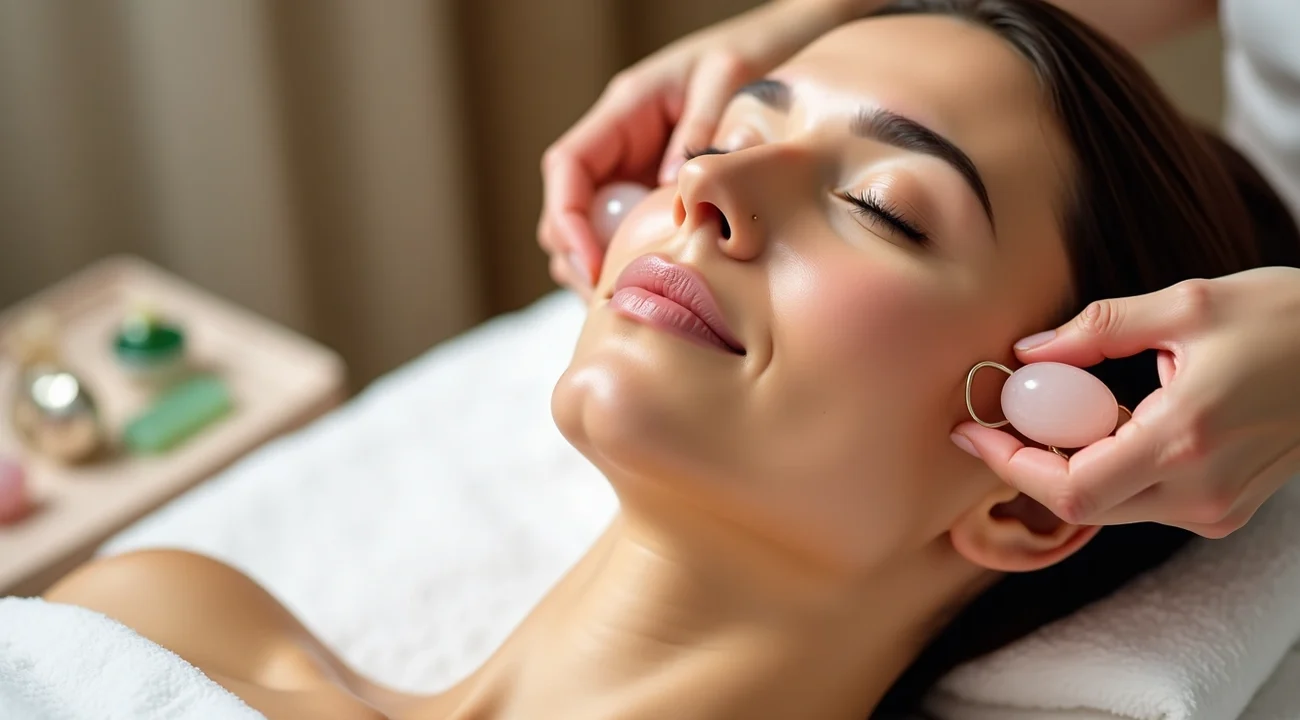
The benefits of facial massage extend far beyond simple relaxation—this ancient practice is now gaining modern recognition for its impressive skincare effects. In fact, facial massage dates back centuries, but we’re now seeing this technique finally take off in mainstream skincare routines.
When we incorporate facial massage into our daily regimen, we’re not just pampering ourselves; we’re actively improving our skin’s health. Studies show that facial massage therapy increases blood circulation, giving us a brighter complexion. Additionally, it promotes lymphatic drainage which helps remove toxins and excess fluid from our facial tissues. Perhaps most impressively, research has demonstrated that facial massage can stimulate collagen production, supporting the skin’s anti-aging process.
With consistent facial massage, we can expect reduced stress levels, healthier and more radiant skin, decreased puffiness, and fewer fine lines and wrinkles. Certainly, these benefits make it worth exploring the various techniques and tools available to maximize our skincare results.
The science behind facial massage benefits

Understanding the science behind facial massage reveals why this technique offers more than just relaxation. Let’s explore the fascinating biological mechanisms that make facial massage so effective for skin health.
How facial massage improves circulation
The magic of facial massage begins with improved blood circulation. Research shows that just five minutes of facial massage significantly increases skin blood flow, with benefits lasting at least ten minutes after the massage ends. This isn’t just a temporary effect—studies demonstrate that after five weeks of regular massage, the blood flow response to heat was notably improved.
What happens during this process? When we apply gentle pressure to facial tissues, blood vessels dilate, allowing more nutrient-rich blood to flow through them. This increased circulation delivers oxygen and vital nutrients directly to skin cells while simultaneously helping remove metabolic waste products.
Moreover, the mechanical stimulation during massage increases shear stress in the vascular wall, which induces the secretion of nitric oxide—a powerful vasodilator—from endothelial cells. The result? A naturally radiant complexion that reflects truly nourished skin.
The role of lymphatic drainage in skin detox
Our lymphatic system serves as the body’s natural detoxification pathway, filtering and removing excess fluid and waste while supporting immune function. Unlike blood vessels, lymphatic vessels don’t have their own pump—they rely on movement and pressure to function effectively.
During facial massage, the gentle, rhythmic movements create a pumping action on lymphatic vessels beneath the skin. These deliberate strokes follow the natural flow of lymph, starting from the neck and moving toward lymph nodes often located in front of the ears and under the jaw.
As a result, this process helps move stagnant fluid and toxins away from facial tissues. The benefits include reduced puffiness, decreased swelling, minimized breakouts, and even improved recovery from treatments or surgeries. Regular lymphatic drainage massage can also help with skin conditions like acne and rosacea by reducing inflammation and congestion.
Why collagen production increases with massage
Collagen—the protein responsible for skin firmness and elasticity—also gets a boost from facial massage. This happens through several mechanisms. First, the increased blood flow delivers more nutrients to fibroblasts, the cells that produce collagen.
Secondly, the controlled pressure applied during massage creates microtrauma—tiny injuries to collagen fibers that trigger the body’s natural healing response, including new collagen formation. One study found that facial massage actually affects the superficial musculoaponeurotic system (SMAS), with height increasing by 2.6% after massage, contributing to lifting effects.
Consequently, with regular practice, this stimulation encourages fibroblasts to work more efficiently at collagen synthesis. For optimal results, applying moderate pressure in circular movements along the cheeks, chin, and forehead can strengthen muscle memory while spurring collagen production.
8 hidden benefits of facial massage you didn’t know
Beyond the well-known effects already discussed, facial massage offers several surprising benefits that rarely get mentioned in standard skincare advice. These hidden advantages make it an even more valuable addition to your self-care routine.
1. Helps reduce sinus pressure and headaches
Facial massage techniques applied to specific pressure points around the nose, forehead, and temples can provide remarkable relief from sinus congestion and related headaches. Furthermore, targeting the masseter muscle (jaw muscle) helps reduce tension headaches often caused by teeth grinding and jaw clenching.
2. Improves product absorption for better skincare results
When performed before applying serums or moisturizers, facial massage increases skin permeability, allowing products to penetrate more effectively into deeper skin layers. Indeed, this enhanced absorption means you’ll get more bang for your buck from expensive skincare ingredients.
3. Enhances skin elasticity and firmness
Regular facial massage stimulates fibroblasts—the cells responsible for collagen production. Over time, this increased collagen synthesis improves skin structure and resilience, helping maintain a more youthful appearance without invasive treatments.
4. Reduces appearance of scars and acne marks
Through breaking down scar tissue and stimulating healthy cell turnover, consistent facial massage can diminish the visibility of old acne marks and scars. The increased circulation brings healing nutrients to damaged areas, supporting the skin’s natural repair processes.
5. Promotes muscle tone and facial contouring
Just as body muscles respond to exercise, facial muscles become more toned with regular massage. This natural “facial workout” helps define cheekbones, jawlines, and other facial contours without the need for cosmetic procedures.
6. Supports emotional well-being and stress relief
Beyond physical benefits, facial massage triggers the release of endorphins—your body’s natural mood elevators. This stress-reducing effect creates a powerful mind-body connection that supports overall emotional health.
7. Boosts natural glow and radiance
The combination of improved circulation, lymphatic drainage, and cell renewal gives your skin an unmistakable radiance that makeup simply cannot replicate. This natural luminosity comes from genuinely healthier skin functioning optimally.
8. Encourages mindfulness and self-connection
Taking time for facial massage creates a precious moment of mindfulness in our busy lives. This focused attention on yourself nurtures self-awareness and connection with your body, offering benefits that extend well beyond skin-deep concerns.
Facial massage tools and how they amplify results
While facial massage with hands alone offers remarkable benefits, specialized tools can take these results to the next level. These implements, ranging from ancient stones to modern designs, each serve specific purposes for different facial concerns.
Gua sha: ancient tool for modern skin
Originally used in Traditional Chinese Medicine, gua sha has evolved from body treatment to facial technique. These flat, smooth-edged tools, commonly made from jade, rose quartz, or stainless steel, work by scraping the skin at a 15-30 degree angle. Through this motion, gua sha increases microcirculation, stimulates lymphatic drainage, and releases facial tension. For maximum effectiveness, use gentle upward and outward strokes after applying facial oil to help the tool glide smoothly.
Eye rollers: targeting puffiness and dark circles
Eye rollers specifically target the delicate eye area, where puffiness and dark circles often appear. Typically featuring a small metal or stone ball, these tools provide a cooling sensation that soothes inflammation and decreases puffiness. Storing your roller in the refrigerator enhances this effect, making it perfect for morning use. The gentle pressure stimulates blood flow, helping eye products absorb faster to better address dark circles.
Facial rollers: cooling and calming effects
Facial rollers, particularly those made of jade or rose quartz, have become skincare staples since their rise in popularity. Jade naturally stays cool and helps reduce inflammation, whereas rose quartz retains temperature longer. Using a roller for just five minutes daily visibly improves skin texture and color temporarily. Beyond esthetic benefits, proper rolling techniques—moving outward from the center of your face—improve lymphatic flow and drainage.
Hands vs tools: which is better for beginners?
For newcomers to facial massage, both hands and tools offer distinct advantages. Your hands provide intuitive control and natural warmth, perfect for learning basic techniques. Conversely, tools deliver consistent pressure and stay cooler longer. If you’re just starting, begin with simple tools like rollers before advancing to more technique-dependent implements such as gua sha. Whatever you choose, consistency matters more than tool selection—regular practice yields the most noticeable improvements.
How to incorporate facial massage into your routine
Transforming facial massage from an occasional luxury into a regular practice requires thoughtful planning and proper technique. Let’s explore how to make this beneficial ritual part of your everyday skincare routine.
When and how often to do it
Finding the right frequency for facial massage depends on your skin’s needs and your schedule. Although some experts recommend daily massage for optimal benefits, performing it 2-3 times weekly still yields excellent results. Consistency ultimately matters more than frequency. Morning sessions can awaken your skin and reduce puffiness, whereas evening routines promote deeper relaxation and enhance overnight product absorption. For busy individuals, even 5-10 minutes of dedicated massage provides noticeable improvements.
Best products to pair with massage
Proper preparation begins with thoroughly cleansing your face before massage. Afterward, apply a suitable facial oil—jojoba and vitamin E oils work exceptionally well without causing breakouts. Plant-based options like coconut (nourishing), argan (healing), or rosehip (regenerative) create ideal slip without dragging skin. Nevertheless, avoid mineral oils that clog pores and water-based serums that absorb too quickly. Remember that 1-2 drops of oil typically suffice—more can make the massage too superficial.
Simple techniques for daily use
Start with clean hands and apply gentle pressure in sweeping motions from the center of your face outward. For lymphatic drainage, work downward and outward, following the natural direction of lymphatic flow. Alternatively, use upward and outward movements to relieve tension. Apply circular motions along the forehead and jawline, repeating movements three times. Support your skin with one hand while massaging with the other to prevent stretching.
Tips for avoiding common mistakes
First, never massage inflamed or irritated skin, including active acne, eczema, or sunburn. Hold tools at the correct angle—15-45 degrees for gua sha, not perpendicular to the skin. Clean your tools regularly with warm soapy water after each use to prevent bacterial growth. Importantly, don’t skip the neck when massaging, as it serves as the “highway” for facial lymphatic drainage. Lastly, apply moderate pressure only—harder isn’t better and may cause broken capillaries or bruising.
Conclusion
Facial massage stands out as a powerful yet underappreciated skincare practice with benefits extending far beyond temporary relaxation. Throughout this exploration, we’ve discovered how this ancient technique improves circulation, enhances lymphatic drainage, and stimulates collagen production through scientifically-backed mechanisms. Additionally, those eight hidden benefits—from sinus relief to mindfulness—make facial massage a truly holistic practice.
Tools certainly enhance these effects, though your hands remain equally effective, especially when starting out. Whether you choose jade rollers, gua sha stones, or simply your fingertips, consistency matters most. Therefore, finding a comfortable frequency—whether daily or a few times weekly—will help you achieve the best results.
Undoubtedly, proper technique makes all the difference. Gentle pressure, appropriate directional movements, and suitable products create the foundation for effective practice. Remember to avoid common mistakes like excessive pressure or neglecting your neck during sessions.
Facial massage ultimately represents a perfect intersection of self-care and effective skincare. This simple practice delivers both immediate satisfaction and long-term benefits without expensive products or invasive procedures. After all, the most valuable skincare tools might just be at the ends of your arms. Your face deserves these few minutes of focused attention—the glowing results will speak for themselves.
FAQs
Q1. How often should I perform facial massage for optimal results?
For best results, aim to incorporate facial massage into your skincare routine 2-3 times a week. Consistency is key, so find a frequency that works for you and stick to it. Even 5-10 minutes of dedicated massage can provide noticeable improvements in skin health and appearance.
Q2. Can facial massage help with sinus pressure and headaches?
Yes, facial massage can be beneficial for reducing sinus pressure and alleviating headaches. By applying gentle pressure to specific points around the nose, forehead, and temples, you can help relieve congestion and tension-related discomfort.
Q3. What type of product should I use during facial massage?
It’s best to use a facial oil for massage to provide the right amount of slip without dragging the skin. Plant-based oils like jojoba, argan, or rosehip work well. Avoid mineral oils that can clog pores, and use only 1-2 drops of oil to prevent the massage from becoming too superficial.
Q4. Is it better to use hands or tools for facial massage?
Both hands and tools can be effective for facial massage. Hands provide intuitive control and natural warmth, making them great for beginners. Tools like jade rollers or gua sha stones can deliver consistent pressure and stay cool longer. Choose what feels most comfortable and effective for you.
Q5. Can facial massage improve the absorption of skincare products?
Yes, facial massage can enhance the absorption of skincare products. When performed before applying serums or moisturizers, it increases skin permeability, allowing products to penetrate more effectively into deeper skin layers. This can lead to better results from your skincare routine.

Hi, I’m Ankit Bisht. I’m an SEO and content marketing specialist with over 7 years of experience helping businesses strengthen their online presence. I focus on developing effective SEO strategies, in-depth keyword research, and data-driven content optimization to boost visibility, rankings, and traffic. I’m passionate about exploring the latest SEO trends, analyzing performance data, and implementing smart solutions that deliver measurable results.