
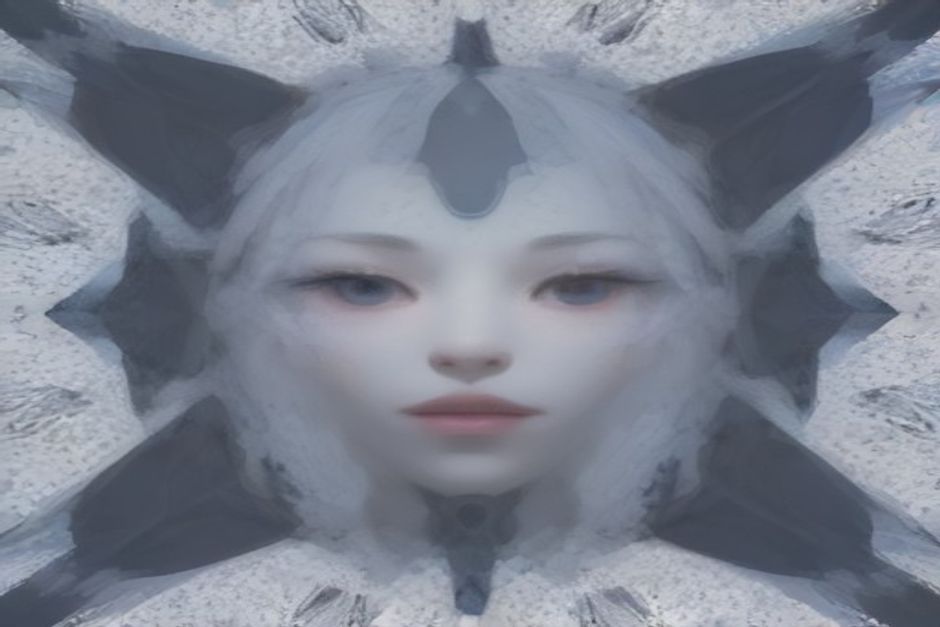
Artificial intelligence has really shaken up how we create things digitally. And honestly, one of the coolest things it can do is churn out unique, eye-catching art. Getting a handle on all the different AI art styles out there is pretty important if you want to use this tech well. So, whether you’re an artist hunting for fresh ideas, a designer needing some new visuals, or just plain curious about what’s possible, this guide’s going to walk you through the amazing world of generative art.
The Landscape of AI-Generated Imagery
Think of AI models as super-students. They’re usually fed huge piles of existing art and images, and from all that, they learn to spot patterns, textures, and how to arrange things. This knowledge lets them whip up entirely new pictures, either from text descriptions you give them or from other images you feed them. The results can look just like real photos, or they can be completely abstract. They can copy old art movements or invent entirely new visual languages. It’s pretty wild.
Exploring Popular AI Art Aesthetics
You can steer what an AI image generator creates by telling it what artistic style you’re after. Here are some of the big ones you’ll see:
Photorealism
This is all about making images that look exactly like photographs. AI models can create incredibly detailed portraits, landscapes, and still lifes, getting the lighting, texture, and perspective spot on. To nail this level of realism, you usually have to be pretty specific with your prompts, mentioning camera settings, lens types, and even the ambient conditions.
Impressionism
Taking cues from artists like Monet and Renoir, AI can produce images with visible brushstrokes, a strong emphasis on light and color, and a less defined, more atmospheric feel. These pieces often give a sense of movement and emotion through soft edges and colors that blend beautifully.
Surrealism
Surrealist art is known for its dreamlike scenes, weird combinations of things, and unexpected pairings. AI generators are fantastic at creating these fantastical and often bizarre pictures, bringing to life visions that totally ignore the rules of physics and reality. Imagine melting clocks, floating islands, or creatures that mix the familiar with the impossible.
Cyberpunk
This look is defined by futuristic cityscapes, tons of neon lights, advanced tech, and a generally grim, dystopian vibe. AI can easily make scenes packed with towering buildings, flying cars, holographic ads, and characters in high-tech outfits, often with that dark, rain-slicked atmosphere we associate with it.
Fantasy Art
From mythical beasts and epic scenery to magical items and ancient ruins, AI can generate rich, immersive fantasy visuals. This style lets your imagination run wild, conjuring dragons, elven forests, and cosmic views with amazing detail and creative flair.
Abstract Expressionism
Inspired by artists like Pollock and Rothko, this style focuses on spontaneous movements, big blocks of color, and forms that don’t represent anything specific. AI can create dynamic compositions with splatters, drips, and sweeping washes of color, conveying raw emotion and energy without showing recognizable subjects.
Anime/Manga Style
Lots of AI models can copy the distinctive look of Japanese animation and comics, you know, with those big expressive eyes, simplified faces, and often really bright colors. This lets you create characters and scenes that fans of the genre will recognize instantly.
Steampunk
This retro-futuristic genre mixes Victorian styles with advanced steam-powered machines. AI can create intricate designs of clockwork contraptions, airships, goggles, and characters dressed in elaborate, brass-heavy outfits, blending historical and imaginative elements in a really unique way.
Prompting for Specific Styles
Getting an AI to create the style you want really depends on how good your prompts are.
Keywords are Key
Using specific art terms is a must. Don’t just say “a forest.” Try something like “an enchanted forest in the style of Arthur Rackham” or “a dense jungle lit with the chiaroscuro of Caravaggio.”
Referencing Artists and Movements
Directly naming artists or art movements you want the AI to copy can produce some seriously cool results. For example, “a portrait of a woman in the style of Frida Kahlo” or “a city skyline that feels like Art Deco architecture.”
Describing Visual Qualities
Focus on using descriptive words. Terms related to texture (“painterly,” “gritty,” “smooth”), lighting (“golden hour,” “dramatic shadows,” “soft diffusion”), and how things are arranged (“dynamic,” “balanced,” “minimalist”) will help the AI get what you’re aiming for.
Combining Styles
Don’t hesitate to mix and match different styles. You could try prompting for “a cyberpunk cityscape with impressionistic brushstrokes” or “a surrealist portrait with the detail of photorealism.” It’s a great way to find unexpected visuals.
The Evolution of AI Art
As AI keeps getting better, the art it generates will only become more sophisticated and varied. New models are popping up all the time, pushing the limits of what’s possible.
Future Possibilities
We can expect AI to get even better at understanding what artists are trying to achieve, create styles that are totally new, and work more smoothly with human creators. The lines between what humans and machines create are probably going to get blurrier, leading to some really exciting new territories in visual expression.
Frequently Asked Questions
What are the main types of AI art?
The main types of AI art are usually defined by their visual styles. These can range from looking exactly like photographs to being completely abstract. They can also mimic historical art movements or come up with completely new looks.
How do I get AI to create art in a specific style?
You can guide an AI to create art in a specific style by using precise keywords in your prompts that describe the aesthetic you want. It also helps to reference specific artists or art movements and to detail visual qualities like lighting and texture.
Can AI create abstract art?
Absolutely. AI can definitely generate abstract art. You can achieve this by prompting for styles that focus on color fields, gestural marks, or forms that aren’t representational. Often, this draws inspiration from movements like Abstract Expressionism.
Is it possible to combine different art styles with AI?
Yes, it is. Experimenting with prompts that blend multiple artistic styles or influences is a really common and effective way to discover unique visual outcomes with AI art generators.
Conclusion
The world of AI art is huge and incredibly exciting, offering a ton of creative options we’ve never had before. By understanding and playing around with the different AI art styles available, creators can find new ways to express themselves and innovate. As this technology keeps developing, its effect on the art world will surely keep being significant and transformative.
I’m an SEO specialist with 7+ years of experience in search engine optimization, digital marketing, content strategy, and AI-powered marketing. I share practical insights on AI tools, SEO, automation, content marketing, and emerging technologies to help businesses and marketers improve their online presence and stay ahead of the latest digital trends.