
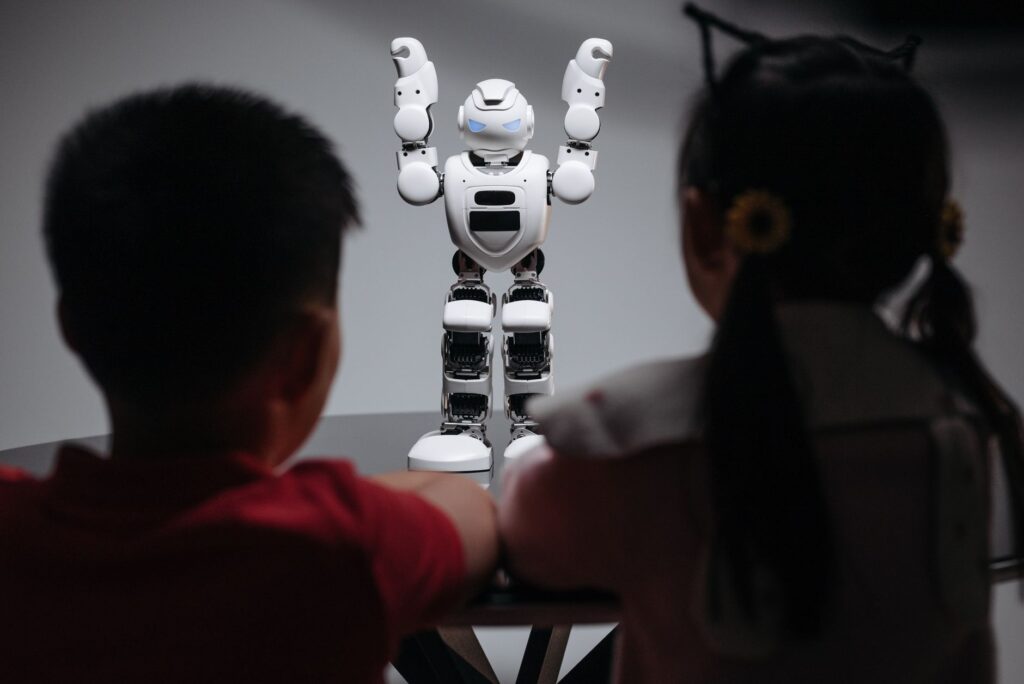
Artificial intelligence in schools isn’t some far-off idea anymore; it’s here, changing how students learn and how we teach. The global market for AI in education is set to hit $136.79 billion by 2035, as noted by Programs.com. That really shows how much the academic world is moving towards AI-powered solutions. With this tech getting smarter all the time, understanding what AI agents can do is a big deal for any institution looking to improve learning and make things run smoother. You know, a good chunk of K–12 students, about 30%, are already using AI tools every single day. When learners are adopting it this much, educators really need to catch up too. In fact, 60% of educators are already bringing AI into their teaching, which just goes to show how much we’re starting to lean on these tools.
So, What Exactly Are AI Agents in Education?
Think of AI agents in education as really smart software programs. They’re built to handle specific jobs, or a group of related jobs, all on their own. They use machine learning and other AI smarts to figure out what’s going on, process information, and then do things that seem pretty human-like. What sets them apart from simpler AI? These agents can actually learn and get better over time, becoming more efficient and tailored to individual needs. They can be like virtual helpers, tutors, administrative assistants, or even personal learning pals, making a big difference for everyone involved in education.
AI Agents as Personalized Tutors
One of the most powerful ways AI agents are used is for personalized tutoring. These agents can look at how a student learns, how fast they go, what they’re good at, and where they struggle, all in real-time. Then, they can serve up custom explanations, practice problems, and feedback. Say a student is having trouble with a math concept, an AI tutor could offer extra reading material, break down the problem into simpler pieces, or suggest different ways to solve it until it clicks. That kind of one-on-one attention, which is tough to manage in a regular classroom because of class sizes, can really help close knowledge gaps and build a deeper understanding.
Making Administrative Tasks Easier
It’s not just about working directly with students, either. AI agents are also proving super helpful in taking over a lot of those repetitive, time-consuming administrative chores that bog down teachers and school staff. This could be anything from managing schedules, grading certain kinds of work, answering common questions from parents and students, or even helping out with enrollment. By handing these tasks off to AI agents, educators get back valuable time to spend on the really important stuff, like planning lessons, developing curriculum, and giving extra help to the students who need it most.
Boosting Student Support and Engagement
AI agents can also really help improve how we support and engage students. They can be there all the time for students who need information about campus services, school rules, or even mental health resources. Chatbot-style agents can point students toward the right departments or give quick answers to common questions, cutting down on students having to navigate complicated school systems. Plus, by spotting patterns in how students act that might signal they’re getting disengaged or are having academic trouble, AI agents can let educators know. This means we can step in early, before problems get bigger.
Key Ways AI Agents Are Used in Educational Institutions
Looking at how things are being done, it’s clear that breaking down the main uses of AI agents is important. They offer a lot of different ways to make educational environments better.
Adaptive Learning Platforms
AI agents are really the brains behind a lot of adaptive learning platforms. These platforms change up the learning path for each student based on how they’re doing. If a student is doing great, the agent can offer harder stuff. If they’re struggling, it can give them extra practice or go back over the basics. This way, every student is kept challenged and supported, making their learning journey as good as it can be.
Smart Content Curation and Creation
AI agents can help educators find and organize useful educational materials. They can sort through huge amounts of online resources to find articles, videos, and simulations that fit with what we want students to learn. Sometimes, AI can even help create basic outlines or summaries for lesson plans, saving teachers time on preparation.
Early Intervention and Predicting Student Success
By looking at student data – like attendance, grades, and how engaged they are – AI agents can spot students who might be at risk of falling behind or dropping out. These systems can send early alerts to advisors and faculty, allowing for timely help. This proactive way of supporting students can really boost how many stick around and do well overall.
Personalized Feedback and Assessment
AI agents can give instant and specific feedback on assignments, especially for things with clear right and wrong answers. This lets students see their mistakes and learn from them right away, instead of waiting for someone to grade it. While it’s not a replacement for the thoughtful, qualitative feedback from teachers, AI can handle a lot of the repetitive grading, giving educators more time for in-depth evaluations.
Putting AI Agents into Practice: A Smart Plan
To really make this work, planning and execution are key.
Setting Clear Goals
Before you bring in any AI tech, schools need to figure out the specific problems they want to solve or the areas they want to improve. Are you trying to cut down on administrative work, get students more involved, or improve personalized learning? Having clear goals will help you pick the right AI agents and make sure they’re put to good use.
Starting with Pilot Programs
It’s often a good idea to start small with pilot programs. This lets schools test how well AI agents actually work, get feedback from the people using them, and find any unexpected issues before rolling them out everywhere. Pilot programs help you fine-tune your approach and build confidence in the technology. For more on the bigger picture of AI in higher education, this resource offers some valuable context.
Managing Risks and Using AI Ethically
Like any powerful tool, using AI agents comes with responsibilities. Schools need to think about data privacy, fairness in algorithms, and the ethical questions that come up with AI in education. You need solid policies and safeguards to make sure AI is used responsibly and fairly, protecting student data and promoting fairness in everything it does. Teachers also need training on how to use these tools well and ethically, understanding what they can and can’t do and how they might affect the learning environment.
Cultivating a Flexible Mindset
The educational world is always changing, and AI is a big part of that. Schools that are open to change and always learning will be in the best spot to take advantage of what AI agents offer. This means ongoing training for teachers, open conversations about AI projects, and a willingness to try new things and adjust as needed.
The Future of AI in Education
AI in education is on a path toward becoming more advanced and integrated. As AI agents get more capable, they’ll no doubt play an even bigger part in shaping how we learn in the future. From incredibly personalized lessons that adapt to each student’s needs on the fly, to smart systems that run entire campus operations, the possibilities are pretty huge. The main thing for educational institutions will be to adopt these technologies wisely, making sure they enhance human connection and teaching effectiveness, rather than just replacing them. The fact that both students and educators are adopting AI so widely shows a fundamental shift, and getting involved with these tools proactively isn’t optional anymore; it’s just essential for moving forward.
Common Questions About AI Agents in Education
Q1: How can AI agents help students who learn more slowly?
A1: AI agents can offer personalized tutoring and adaptive learning paths. They provide extra explanations, practice problems, and immediate feedback, helping students grasp concepts at their own speed without the pressure of a traditional classroom setting.
Q2: What are the main worries about using AI agents in schools?
A2: Big concerns include data privacy and security, the risk of biased algorithms leading to unfair outcomes, and the ethical questions surrounding AI’s impact on student development and learning. Making sure it’s implemented responsibly and overseen well is really important.
Q3: Can AI agents take the place of human teachers?
A3: AI agents are designed to support, not replace, human teachers. They’re great at automating tasks, offering personalized practice, and giving instant feedback. This frees up educators to focus on higher-level teaching, critical thinking, emotional support, and nurturing social-emotional growth.
Q4: How can institutions make sure AI agents are used fairly and equitably?
A4: This means carefully testing algorithms for bias, having clear policies on how data is used, and ensuring all students have equal access to AI-powered tools and the digital skills needed to use them well. Ongoing review and human oversight are also critical.
Q5: What’s the very first thing an institution should do to implement AI agents?
A5: The first step should be to clearly define specific goals and objectives. Figuring out the particular educational challenges or opportunities that AI agents can address will guide the entire implementation process, from choosing the right tools to figuring out if it’s working.

I’m an SEO specialist with 7+ years of experience in search engine optimization, digital marketing, content strategy, and AI-powered marketing. I share practical insights on AI tools, SEO, automation, content marketing, and emerging technologies to help businesses and marketers improve their online presence and stay ahead of the latest digital trends.