
Dry wood termites cause billions of dollars worth of damage each year in the United States, silently destroying homes while remaining hidden from view. As California’s second most important termite pest after the subterranean termite, these destructive insects live deep inside wood and are rarely seen until they swarm. We’ve created this guide to help you identify and address these elusive pests before they cause significant structural damage to your home.
Unlike subterranean termites, drywood termite colonies grow slowly, often taking between four to seven years before producing their first alates or swarmer’s. However, once established, they can be extremely difficult to eradicate. Typically infesting sound or nondecayed wood in older homes, these pests leave behind distinct warning signs such as six-sided fecal pellets (frass) that can help identify an infestation. In this comprehensive guide, we’ll explore the warning signs of drywood termite activity, effective treatment options, and prevention strategies to protect your property from these destructive pests.
Common Warning Signs of Drywood Termites
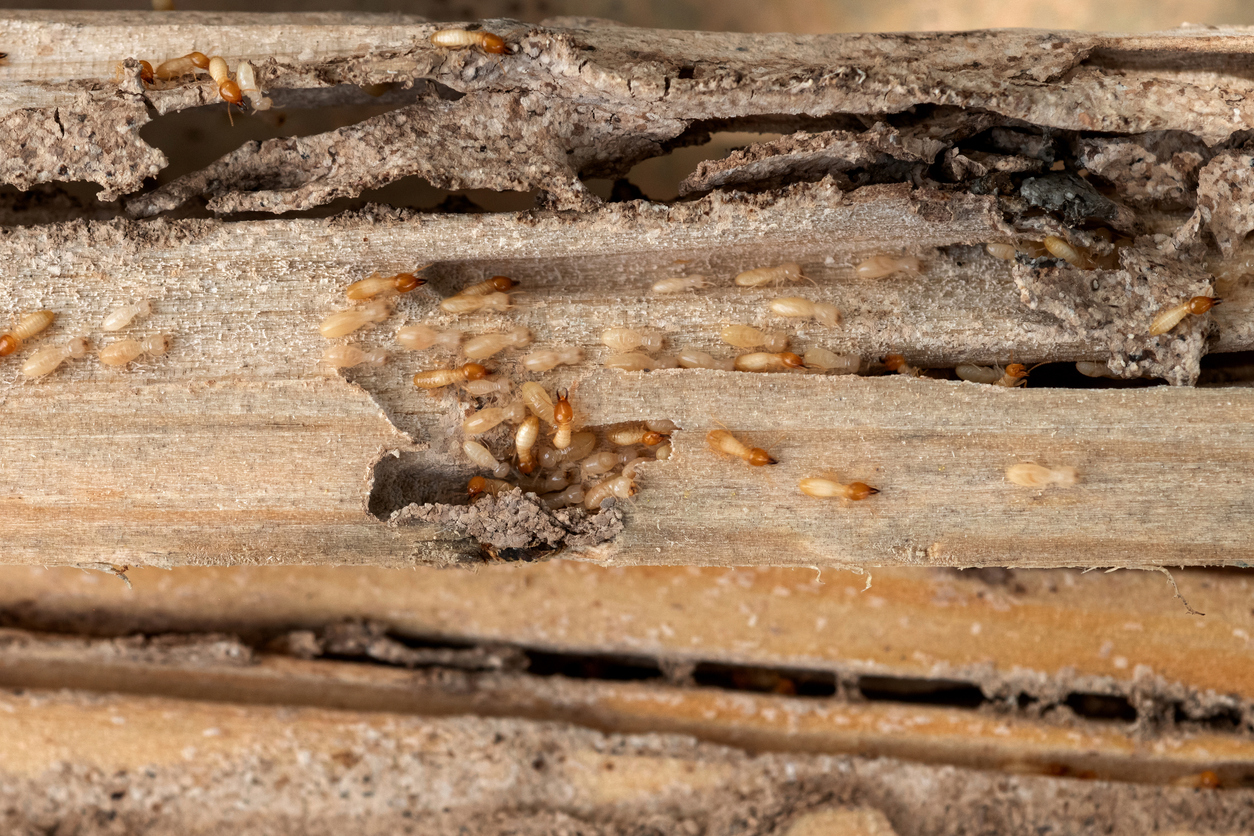
Detecting drywood termites early can save thousands in repair costs. Since these pests work silently inside wooden structures, recognizing their warning signs is crucial for prompt treatment. Let’s examine the five telltale indicators of a drywood termite infestation.
1. Swarming termites near windows or lights
Mature colonies produce winged reproductive termites (swarmers) that emerge during daytime hours in summer and fall. These flying termites are naturally drawn to light sources, explaining why they’re frequently spotted near windows, porch lights, and other well-lit areas. Swarms typically last 30-40 minutes with termites congregating around windows and sliding glass doors. A termite swarm often serves as the first evidence homeowners have of termite activity.
2. Drywood termite droppings (frass) around baseboards
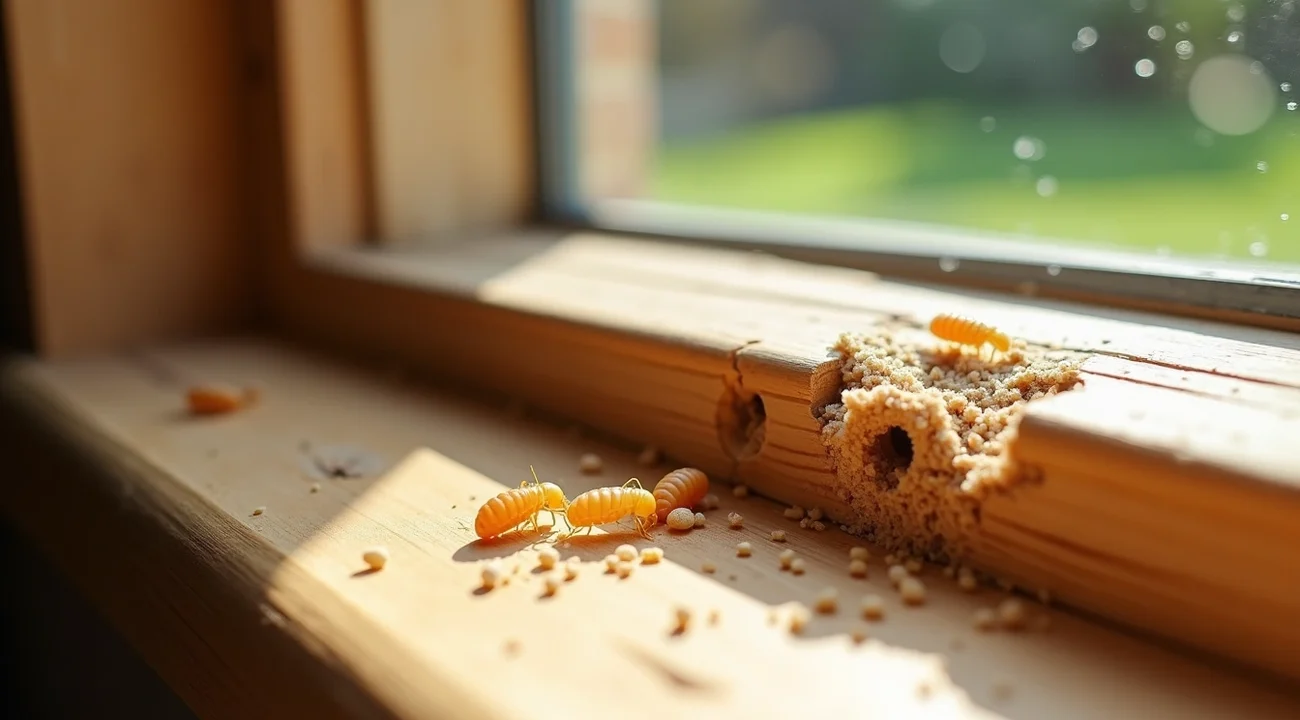
One distinctive sign of drywood termites is their droppings, called frass. These tiny, six-sided pellets range from light tan to dark brown, depending on the wood they’ve consumed. Unlike subterranean termites, drywood termites don’t use their droppings to build. Instead, they push frass out through small holes, creating little mounds that resemble sawdust, salt, pepper, or coffee grounds. You’ll typically find these pellets beneath kick-out holes, around baseboards, window frames, and furniture.
3. Hollow-sounding or blistered wood
As termites eat wood from the inside out, they leave only a thin surface that may appear intact. When you tap on infested wood, it produces a distinctive hollow or papery sound, unlike the solid thud of healthy wood. Additionally, termite activity can cause paint to bubble, blister, or peel on wooden surfaces. This damage occurs because termites hollow out the wood’s interior while leaving the exterior relatively untouched.
4. Small kick-out holes in wood surfaces
Drywood termites create tiny, round holes (about 1-2 mm in diameter) in wood surfaces to expel their frass. After swarmers leave through these exit holes, termite nymphs quickly seal them with a brown, cement-like material made from feces. Finding these small, uniform holes alongside frass piles strongly indicates an active infestation.
5. Discarded wings near entry points
After finding suitable locations to establish new colonies, swarmers shed their wings. Finding small piles of translucent wings around windowsills, doorways, or furniture is a significant warning sign. These discarded wings are often the only evidence of a swarm if you weren’t home when it occurred. If you discover wings inside your home, it suggests a mature colony has established itself within your property.
How to Confirm an Infestation
Suspecting a drywood termite problem is one thing, but confirming their presence requires careful investigation. Once you’ve noticed potential warning signs, these targeted inspection techniques can help determine whether you truly have an infestation.
1. Visual inspection of attic and crawl spaces
Thorough examination of your home’s least-visited areas often reveals termite activity that might otherwise go undetected. Focus specifically on your attic and crawl spaces, as these areas provide ideal environments for drywood termites to thrive unnoticed. During inspection, examine wooden beams, rafters, and joists for visible damage or termite entry points. Look carefully at corners and joints where wood meets wood, as these are prime locations for colony establishment. Furthermore, check for fungus damage or excessive moisture that might attract these pests. Notably, discarded wings near light fixtures in attics can indicate a recent swarm has occurred.
2. Using a screwdriver to tap for hollow wood
A simple yet effective technique involves tapping wooden surfaces with a screwdriver handle. Healthy wood produces a solid thud, whereas termite-damaged wood creates a distinctive hollow sound. After identifying potentially affected areas, gently press the screwdriver tip against the wood surface. If it easily penetrates or the wood feels papery and gives way, this strongly suggests termite damage. This probe testing method is particularly useful for door frames, window sills, baseboards, and furniture that show visual abnormalities.
3. Identifying termite drywood fecal pellets
Drywood termite frass has distinctive characteristics that differentiate it from other debris. These tiny, six-sided pellets measure approximately 1 millimeter in length with oval shapes and rounded ends. The color varies from light tan to nearly black, depending on the wood being consumed. To confirm active infestation, clean up existing pellets around suspected kick-out holes and check several days later for fresh accumulations. Primarily look for these pellets near wooden floorboards, window sills, baseboards, and underneath furniture.
4. When to call a professional inspector
Although DIY inspection can identify obvious signs, professional termite inspectors possess specialized tools and expertise to detect hidden infestations. Contact a specialist immediately upon discovering any termite warning signs like hollow wood, discarded wings, or frass. Professional inspectors follow comprehensive protocols, examining every accessible area including utility rooms, expansion joints, and foundation walls. They often use specialized equipment like moisture meters and infrared cameras to locate concealed colonies that homeowners might miss.
Treatment Options for Drywood Termites

Image Source: HiTech Termite Control
Once you’ve confirmed a drywood termite infestation, selecting the appropriate treatment method becomes critical. Several effective options exist, ranging from whole-structure approaches to targeted solutions.
1. Whole-structure fumigation
Fumigation involves surrounding your entire home with gas-tight tarps and releasing sulfuryl fluoride inside. The gas penetrates all wooden structures, reaching termites in inaccessible areas. This method requires evacuation for approximately 24-72 hours, with a minimum 12-hour aeration period afterward. Although highly effective at eliminating all existing colonies, fumigation offers no residual protection against future infestations.
2. Heat treatment for entire homes
This method raises wood temperatures to a minimum of 120°F and maintains it for at least 33 minutes to kill termites. Heat treatment allows immediate reoccupation after completion and uses no chemicals. Nevertheless, it may damage heat-sensitive items and struggles with “heat sinks” – areas contacting concrete or tile that resist heating.
3. Localized chemical injections
Often called “drill-and-treat,” this approach involves drilling holes into infested wood and injecting termiticides directly into termite galleries. This targeted method uses fewer chemicals than fumigation and potentially provides residual protection. Effectiveness depends on accurately locating all termite galleries.
4. Microwave and electrocution methods
Microwave technology kills termites by heating them inside wood without chemicals. Equipment varies from several hundred to over 10,000 watts. Similarly, electrocution devices deliver high voltage (90,000 volts) but low current (under 0.5 amps) to terminate termites. Both methods require precise location of colonies.
5. Wood replacement for small infestations
For isolated infestations, removing and replacing affected wood components offers complete elimination. This method works best for easily removable items like fascia boards or doors.
6. Pros and cons of each method
| Method | Pros | Cons |
|---|---|---|
| Fumigation | Eliminates all colonies, including hidden ones | Requires evacuation, expensive, no residual protection |
| Heat | Chemical-free, immediate reoccupation | May damage sensitive items, challenges with heat sinks |
| Chemical injection | Targeted, uses fewer chemicals, potential residual protection | Requires accurate detection, may miss hidden colonies |
| Microwave/Electrocution | No chemicals, portable equipment | Detection accuracy critical, may damage wood |
| Wood replacement | Complete elimination of targeted infestation | Only practical for limited, accessible areas |
Preventing Future Infestations
Protecting your home from future drywood termite invasions requires a proactive approach. Following proper prevention techniques can save you thousands in potential damage repairs.
1. Sealing cracks and vents
Every gap in your home’s exterior is an invitation to drywood termites. Consequently, sealing cracks in walls, baseboards, and around windows with caulk creates an effective barrier against these persistent pests. Install bug screens over attic and foundation vents to prevent entry while maintaining necessary airflow. Moreover, applying a fresh coat of paint can seal the smallest crevices in wood surfaces that might otherwise serve as termite highways.
2. Using pressure-treated or resistant wood
Pressure-treated wood contains preservatives that create a termite-resistant chemical barrier. Indeed, many U.S. building codes require pressure-treated lumber for areas with soil contact. Remember that treated wood is “termite-resistant,” not “termite-proof” – the chemicals leach out over 7-10 years, leaving inner wood vulnerable. For construction projects, consider naturally resistant heartwoods from redwoods, yellow cedar, and cypress, or composite materials containing plastic that termites cannot digest.
3. Applying borate-based wood treatments
Borate treatments effectively defend against drywood termites by disrupting their digestive systems. These treatments penetrate deep into wood fibers when applied to bare surfaces. For existing structures, borate products like Tim-bor® can be sprayed or brushed onto exposed wood. These preservatives remain active as long as a waterproof coating is maintained on the treated surface.
4. Regular inspections and maintenance
Annual professional termite inspections remain your best defense against undetected infestations. Trained technicians can identify early warning signs and potential risk factors before serious damage occurs. Each inspection typically examines your property’s interior and exterior, including attics, patios, garages, and crawl spaces. After inspection, you’ll receive a detailed report outlining findings and recommended preventive measures.
Conclusion
Drywood termites represent a silent threat that can cause thousands of dollars in damage before most homeowners even realize they have a problem. Throughout this guide, we’ve explored how these destructive pests operate differently from their subterranean cousins, making them particularly challenging to detect. Therefore, recognizing the warning signs—such as frass pellets, discarded wings, hollow-sounding wood, and swarming activity—becomes your first line of defense against extensive structural damage.
After identifying suspicious signs, confirming an infestation through targeted inspection techniques allows you to act quickly and decisively. Certainly, the choice between treatment methods depends on your specific situation, with options ranging from whole-structure approaches like fumigation and heat treatment to localized solutions for smaller infestations. Each method offers distinct advantages and limitations that should be carefully weighed against the extent of your termite problem.
Prevention ultimately proves more cost-effective than treatment. Simple steps such as sealing entry points, using resistant building materials, applying borate treatments, and scheduling regular professional inspections can significantly reduce your risk of future infestations. Additionally, these preventive measures often cost a fraction of what extensive termite repairs might require.
While dealing with drywood termites might seem overwhelming at first, understanding their behavior patterns and warning signs empowers you to protect your greatest investment—your home. By remaining vigilant and taking prompt action when necessary, you can effectively safeguard your property against these destructive insects for years to come.
Key Takeaways
Drywood termites cause billions in damage annually, but early detection through specific warning signs can save homeowners thousands in repair costs.
• Watch for distinctive frass pellets – Six-sided droppings around baseboards and windows indicate active termite colonies feeding inside your wood structures.
• Listen for hollow sounds when tapping wood – Termite-damaged wood produces a papery, hollow sound unlike the solid thud of healthy timber.
• Act quickly on swarming activity – Winged termites near lights and discarded wings around entry points signal mature colonies requiring immediate professional attention.
• Choose treatment based on infestation scope – Whole-structure fumigation eliminates widespread colonies, while localized injections work for smaller, targeted infestations.
• Prevention costs less than treatment – Seal cracks, use resistant wood materials, apply borate treatments, and schedule annual inspections to avoid costly damage.
Unlike subterranean termites, drywood species work silently inside wood for years before becoming visible, making proactive monitoring and swift response essential for protecting your home investment.
FAQs
Q1. What are the most common signs of a drywood termite infestation?
The most common signs include small piles of frass (termite droppings), hollow-sounding wood when tapped, discarded wings near entry points, tiny kick-out holes in wood surfaces, and swarming termites near light sources.
Q2. How can I differentiate between drywood and subterranean termites?
Drywood termites live entirely within wood and don’t require soil contact. They produce distinctive six-sided frass pellets and typically swarm during daylight hours. Subterranean termites, on the other hand, need soil contact and build mud tubes.
Q3. What is the most effective treatment for drywood termites?
The most effective treatment depends on the extent of the infestation. Whole-structure fumigation is highly effective for widespread infestations, while localized chemical injections or heat treatments can work for smaller, isolated colonies.
Q4. Can I prevent drywood termites from infesting my home?
Yes, you can prevent infestations by sealing cracks and crevices in your home’s exterior, using pressure-treated or naturally resistant wood, applying borate-based treatments to exposed wood, and scheduling regular professional inspections.
Q5. How long does it take for drywood termites to cause significant damage?
Drywood termite colonies grow slowly, often taking 4-7 years before producing their first swarmer’s. However, once established, they can cause significant structural damage if left untreated for extended periods.

Hi, I’m Ankit Bisht. I’m an SEO and content marketing specialist with over 7 years of experience helping businesses strengthen their online presence. I focus on developing effective SEO strategies, in-depth keyword research, and data-driven content optimization to boost visibility, rankings, and traffic. I’m passionate about exploring the latest SEO trends, analyzing performance data, and implementing smart solutions that deliver measurable results.