

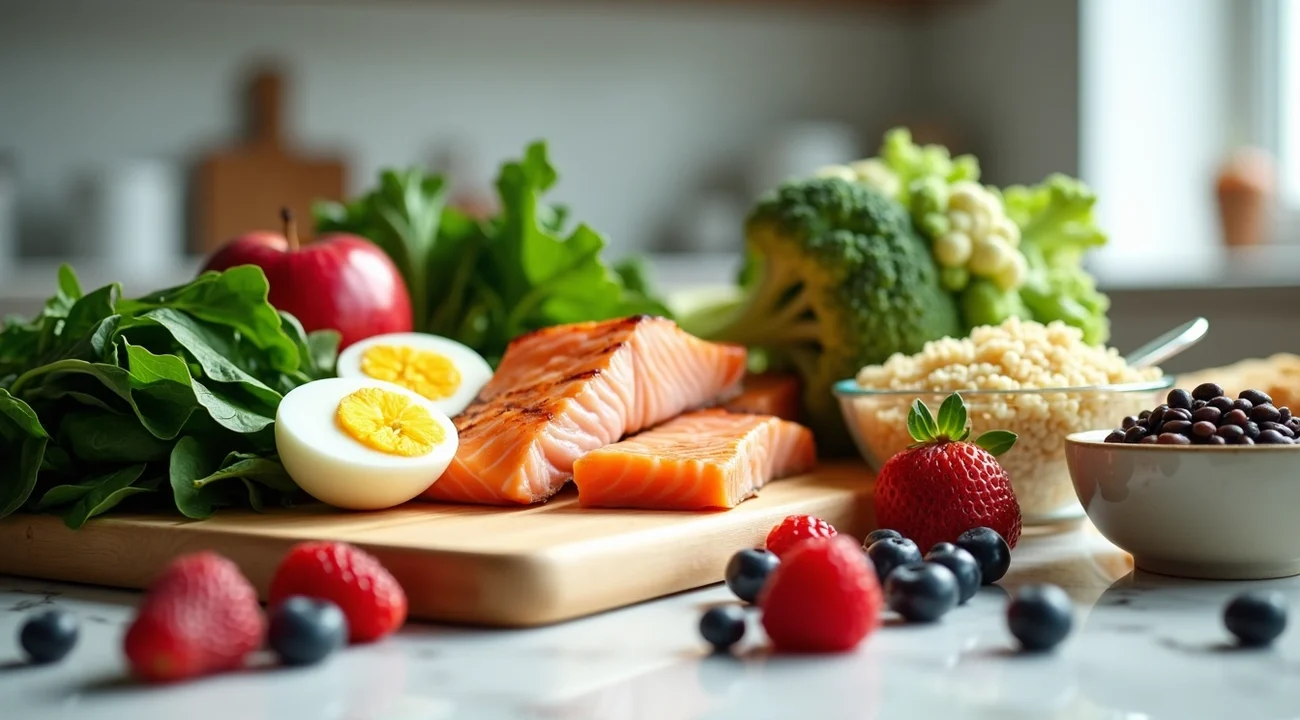
Discovering the best foods for weight loss can dramatically change your results when trying to shed pounds. Surprisingly, for the same calories as one high-calorie snack, you could eat 10 cups of spinach, 1½ cups of strawberries, and a small apple. When we make smarter food choices, we can eat more volume while consuming fewer calories.
In fact, about 70 percent of what we eat and drink is considered ultra-processed, which often leaves us hungry and unsatisfied. However, foods containing fiber fill you up without too many calories and keep you feeling satisfied for longer. Additionally, protein requires more energy to digest than other nutrients, making you feel full and less hungry throughout the day. Specifically, healthy foods for weight loss like leafy greens such as kale and spinach pack fiber and nutrients that help keep you satisfied and hydrated, while cruciferous vegetables like broccoli and cauliflower are high in fiber and incredibly filling.
In this guide, we’ll explore what are the best foods for weight loss and how they can help you achieve your goals without feeling deprived. From protein-rich options that boost your metabolism to fiber-filled choices that curb hunger, we’ll cover everything you need to know about eating well while losing weight.
Understanding Why Some Foods Help You Lose Weight
Food choices fundamentally impact weight management beyond just calorie counting. The right foods can make you feel satisfied with fewer calories, creating the deficit needed for weight loss.
What makes a food good for weight loss?
The best foods for weight loss share specific characteristics that help control hunger and calorie intake. Primarily, they have high water content, substantial fiber, quality protein, and fewer calories per gram. Foods containing fiber fill you up and keep you satisfied longer. Furthermore, protein requires more energy to digest than other nutrients, making you feel full while boosting your metabolism. Quality weight-loss-friendly foods typically combine these attributes—they’re filling despite moderate calorie content.
The role of energy density and satiety
Energy density—the number of calories per gram of food—plays a crucial role in weight management. Studies show that people who eat lower-energy-dense foods consume approximately 425 fewer daily calories for men and 275 fewer for women compared to those eating higher-energy-dense foods. Remarkably, they achieve this while actually eating more food by weight—about 400g more for men and 300g more for women.
Foods with low energy density, like vegetables and fruits, contain more water and fiber but less fat. For instance, one cup of grapes has about 104 calories, whereas one cup of raisins contains approximately 480 calories. Research demonstrates that participants eating low-energy-density foods reported only small differences in hunger (7%) and fullness (5%) despite consuming 20% fewer calories. Consequently, these foods allow you to eat satisfying portions while naturally reducing caloric intake.
How nutrient-dense foods support your goals
Nutrient-dense foods provide essential vitamins, minerals, protein, and other nutrients without unnecessary calories. Unlike the standard American diet—often energy-rich but nutrient-poor—these foods deliver more nutritional value per bite. Benefits include improved energy levels, reduced risk of chronic disease, prevention of nutrient deficiencies, better weight management, and enhanced immune function.
Nutrient-rich foods support weight loss by helping you feel satisfied for longer periods, thereby preventing overeating. This approach means you can enjoy delicious, filling meals that keep you energized while supporting healthy weight management.
Top 8 Best Foods for Weight Loss

Let’s explore the eight most powerful foods that can supercharge your weight loss journey through their unique nutritional profiles.
1. Leafy greens like spinach and kale
Leafy greens are nutrition powerhouses with minimal calories. They’re packed with fiber that helps you feel full longer and contain essential vitamins and minerals. One cup of raw spinach provides just 7 calories yet delivers vitamins A, C, K, and folate. Leafy greens support weight management through their high water content and volume, allowing you to eat more food while consuming fewer calories.
2. Whole eggs and egg whites
Eggs provide complete protein with all essential amino acids, making them ideal for weight loss. A large egg contains only 72 calories with 6g of protein. For those seeking fewer calories, egg whites deliver 4g of protein with just 18 calories. Studies show protein-rich breakfasts, like eggs, can help control appetite and maintain energy balance throughout the day.
3. Fatty fish such as salmon and sardines
Fatty fish combines protein with omega-3 fatty acids that support metabolism. Salmon provides 22.1g of protein per 100g serving, while sardines offer 20g of protein and 1.4g of omega-3s per serving. These healthy fats help reduce inflammation, which is linked to weight gain.
4. Cruciferous vegetables like broccoli and cauliflower
Beyond being low in calories, cruciferous vegetables are rich in fiber and nutrients. One cup of cooked broccoli provides 5g of fiber and 3.7g of protein for only 55 calories, whereas a cup of cauliflower contains just 29 calories with 2.9g of fiber. These vegetables are particularly filling due to their fiber content.
5. Lean meats and skinless poultry
Skinless chicken breast contains 23-31g of protein per 100g with just 3.6g of fat. Turkey breast offers similar benefits with 30.1g of protein per 100g. Moreover, studies suggest poultry consumption can have a favorable effect on body composition in the context of weight loss.
6. Legumes including lentils and black beans
Legumes stand out for weight management through their fiber and protein content. Research shows adults consuming moderate to high amounts of legumes gained 23.5% less weight over 10 years compared to non-consumers. Notably, increased legume intake was the best single food group predictor of weight loss in clinical studies.
7. Whole grains like oats and quinoa
Whole grains contain all three parts of the grain kernel, providing more fiber and nutrients than refined grains. Oats particularly excel for weight loss due to their unique beta-glucan fiber, which influences appetite hormones and helps you feel full longer. Quinoa offers 8g of protein per cup, supporting satiety and weight management.
8. Fruits such as berries and apples
Fruits combine fiber with water content for excellent satiety. Berries are particularly beneficial as they’re very low in sugar per gram. Apples contain pectin fiber that helps reduce bad cholesterol and controls blood sugar, preventing unhealthy food cravings.
How These Foods Help You Stay Full and Eat Less
Understanding the science behind why certain foods control hunger reveals how they actually work in your body. The right foods create biological changes that naturally reduce your desire to overeat.
Fiber slows digestion and curbs hunger
Fiber creates fullness through multiple mechanisms. Initially, it adds bulk to meals, stretching your stomach and triggering satiety hormones. Soluble fiber forms a gel-like substance in your gut that significantly slows digestion and absorption times. This gel literally sits in your stomach, delaying emptying and extending the feeling of satisfaction after eating.
Not all fibers work equally, though. The more viscous the fiber (like that found in oats, beans, and certain fruits), the better it reduces appetite. These fiber-rich foods take longer to eat and digest, stretching your stomach and triggering fullness hormones. Through these actions, fiber can specifically target harmful belly fat.
Protein boosts metabolism and satiety
Protein stands out as the most filling macronutrient, dramatically affecting your hunger hormones. When you consume protein, it elevates levels of GLP-1, CCK, and PYY (appetite-suppressing hormones) while simultaneously decreasing ghrelin (the hunger hormone).
Remarkably, protein has a much higher thermic effect compared to carbs and fats. About 20-30% of protein calories are burned during digestion itself. This increased energy expenditure, alongside protein’s hunger-reducing effects, explains why high-protein diets can lead to weight loss even without deliberate calorie counting.
Water-rich foods add volume without calories
Foods with high water content offer an ingenious weight-loss strategy. These foods create gastric distension (stomach stretching) that directly stimulates feelings of fullness after eating. Essentially, they provide volume without the caloric burden.
Many studies confirm that people who eat soup before their main meal consume fewer total calories throughout the day. The combination of water and fiber in foods like lettuce, zucchini, and celery makes them exceptionally filling despite their minimal calorie content. Remarkably, about 20% of your daily water intake should come from food rather than drinks.
Healthy fats help regulate appetite
The type of fat you consume matters significantly for weight management. Unsaturated fatty acids promote satiety better than their saturated counterparts. In one study, polyunsaturated fats produced stronger feelings of fullness than both monounsaturated and saturated fats.
The mechanism involves specific hormones. When you eat foods containing healthy fats, your intestine releases CCK and other satiety signals. Polyunsaturated fat-rich meals are especially effective at stimulating PYY release compared to monounsaturated fat-rich meals. A 5-day diet rich in polyunsaturated fats has been shown to suppress hunger ratings and increase CCK values compared to monounsaturated fats.
Smart Ways to Add These Foods to Your Daily Meals

Knowing which foods support weight loss is only half the battle—incorporating them into your daily routine is where real change happens. Let’s explore practical ways to enjoy these nutritious foods throughout your day.
Healthy meals for weight loss: breakfast ideas
Start your morning with protein-packed options that boost metabolism. Try scrambled eggs with spinach and tomato, or overnight oats made with milk and topped with nut butter, chia seeds, and berries. Greek yogurt with berries provides twice the protein of regular yogurt. For a savory twist, consider avocado toast with a fried egg or mashed avocado on rye toast. Protein pancakes made with oats, bananas, and eggs offer a satisfying alternative to traditional pancakes.
Simple lunch swaps using high-fiber foods
Replace white pasta with bean-based alternatives for an additional 27 grams of fiber. Swap chips for popcorn to gain 2 grams of fiber with fewer calories. Trade white rice for quinoa to add 5 grams of fiber per serving. Consider bean-based salads or tuna with chickpeas on whole grain bread. Bento boxes with fresh fruit, veggie sticks, hummus, and hard-boiled eggs make perfectly balanced grab-and-go lunches.
Dinner combinations that keep you full
Create satisfying dinners by pairing lean proteins with fiber-rich vegetables. Try salmon with bok choy over rice, chickpea-farro bowls, or chicken with broccoli. Bean chili with cauliflower “rice” offers plant-based satisfaction. For a quick option, consider a veggie frittata or savory oatmeal topped with eggs and vegetables.
Snacks that support weight loss without guilt
Choose snacks combining protein, fiber, and healthy fats. Apple slices with peanut butter provide quick energy and lasting fullness. Roasted chickpeas or edamame offer plant-based protein with satisfying crunch. Greek yogurt with sunflower seeds combines protein with healthy fats. Importantly, aim for 100-200 calories per snack, pre-portion into containers, and read ingredient labels—avoiding options where sugar tops the list.
Conclusion
Achieving sustainable weight loss ultimately depends on finding nutritious foods that satisfy hunger while controlling calories. Rather than focusing solely on restriction, shifting attention toward adding fiber-rich vegetables, quality proteins, and water-dense fruits creates a more effective and enjoyable approach to weight management. These foods naturally crowd out less nutritious options while keeping you fuller for longer.
Though changing eating habits might seem challenging at first, small steps lead to significant results over time. Starting with just one meal swap daily—perhaps eggs instead of sugary cereal for breakfast or cauliflower rice instead of white rice at dinner—can initiate meaningful progress. Additionally, planning ahead by preparing protein-rich snacks prevents impulsive, calorie-dense choices when hunger strikes.
The science behind satiety clearly shows why certain foods outperform others for weight loss. Foods rich in protein require more energy to digest, while fiber slows digestion and stabilizes blood sugar. Meanwhile, water-rich options add satisfying volume without excessive calories. This powerful combination explains why people consuming nutrient-dense diets often eat more food by weight while naturally consuming fewer calories.
Remember that weight management works best as a lifestyle approach rather than a temporary fix. Fortunately, the foods highlighted throughout this article not only support weight loss but also promote overall health through their vitamin, mineral, and antioxidant content. Your body thrives when given quality nutrition, making weight management a natural byproduct of healthy eating rather than its sole focus.
Most importantly, sustainable weight loss happens when you discover nutritious foods you genuinely enjoy eating. Experiment with different preparations of these weight-loss friendly foods until you find combinations that satisfy both your nutritional needs and taste preferences. This balanced approach ensures you can maintain healthy habits for life.
FAQs
Q1. What are some of the best foods for weight loss?
Some of the best foods for weight loss include leafy greens like spinach and kale, whole eggs, fatty fish such as salmon, cruciferous vegetables like broccoli, lean meats, legumes, whole grains, and fruits like berries and apples. These foods are high in nutrients, fiber, and protein, which help you feel full while consuming fewer calories.
Q2. How do high-fiber foods contribute to weight loss?
High-fiber foods contribute to weight loss by slowing digestion and curbing hunger. Fiber adds bulk to meals, stretches the stomach, and triggers satiety hormones. It forms a gel-like substance in the gut that delays stomach emptying, extending the feeling of fullness after eating. This helps reduce overall calorie intake and targets harmful belly fat.
Q3. Why is protein important for weight management?
Protein is crucial for weight management because it boosts metabolism and increases satiety. It affects hunger hormones, elevating appetite-suppressing hormones while decreasing hunger hormones. Protein also has a higher thermic effect compared to carbs and fats, meaning the body burns more calories digesting it. This combination of effects can lead to weight loss even without deliberate calorie counting.
Q4. How can I incorporate weight-loss friendly foods into my daily meals?
You can incorporate weight-loss friendly foods into your daily meals by making simple swaps and additions. For breakfast, try scrambled eggs with spinach or overnight oats with berries. For lunch, replace white pasta with bean-based alternatives or have a bean-based salad. Dinner could include lean protein paired with fiber-rich vegetables. Snack on apple slices with peanut butter or Greek yogurt with sunflower seeds.
Q5. What role do healthy fats play in weight loss?
Healthy fats, particularly unsaturated fatty acids, play a significant role in weight loss by helping regulate appetite. They promote satiety better than saturated fats and stimulate the release of hormones that signal fullness. Polyunsaturated fats are especially effective at suppressing hunger and increasing satiety hormones. Including sources of healthy fats in your diet can help control hunger and support weight management efforts.

Hi, I’m Ankit Bisht. I’m an SEO and content marketing specialist with over 7 years of experience helping businesses strengthen their online presence. I focus on developing effective SEO strategies, in-depth keyword research, and data-driven content optimization to boost visibility, rankings, and traffic. I’m passionate about exploring the latest SEO trends, analyzing performance data, and implementing smart solutions that deliver measurable results.